


The industry has been abuzz with the bankruptcy of Spirit Airlines. The famous yellow bare-fare airline from Florida has had its last hurrah when it couldn’t secure any funding to stay afloat. The airline has had passengers from polar opposites: those who loathe the bare-fare model of nickel-and-diming passengers for every small inflight luxury, to those who appreciate being able just to fly with the bare fare. One thing is for sure though, despite whichever camp you may be on, Spirit kept airfares low. And really low.
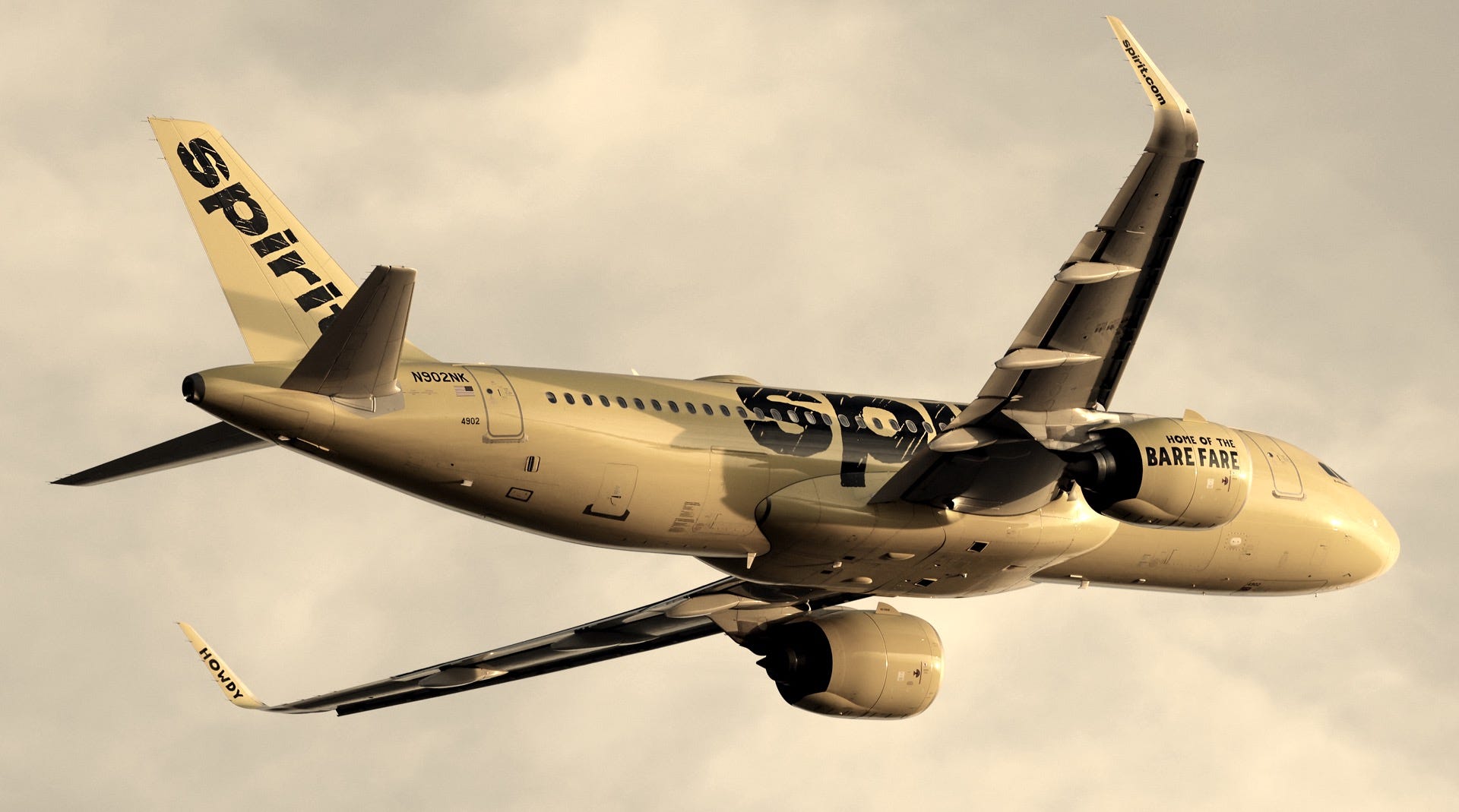
With the departure of Spirit, the industry was quick to jump in and show their support: cabin crew and pilots from various airlines in the USA offered their sympathies, AI-generated images of cartoon aircraft in US airline liveries hugging a yellow aircraft popped up all over social media, Southwest even put on a celebration for what would’ve been a Spirit pilot’s final flight. And of course, airlines jumped in to help stranded passengers.
But don’t let that fool you. Airlines were very willing to put on a sorry facade for stranded Spirit passengers, a small price they have to pay for what’s to come: raising fares.
Spirit has always been the pseudo “how low can you go” standard in the industry. With that bar removed, airlines are free to increase prices, especially to make up for the gap that Spirit left in the market. And this increase in ticket prices is all too welcome in today’s day and age where fuel is at a scarcity due to the war in the Middle East. As airlines try to cope with rerouting flights, they have to juggle the increase in fuel prices and operation costs simultaneously. For many, it has proven too much, with airlines adjusting (mostly reducing) frequencies to optimize profits in this troubling time.
Of course, it’s always easy to raise prices when things are bad, but we also know when things go well, prices do not necessarily come down again. In fact, we need things to go super downhill, like a global pandemic, to bring the industry to a standstill before airlines bring ticket prices down out of desperation.
Case in point: the Middle Eastern airlines are proving again that desperation drives airlines to their knees. It has been no secret that the ME3 have been struggling recently due to the war. While they do not have a fuel shortage, it’s been an operational mess for them. Thriving on a hub-and-spoke model of connecting passengers through their hubs, many passengers have opted for different routes due to the uncertainty of war in the area. With insurance companies not covering travel disruption for war-related incidents, after clearing the backlog of stranded passengers, the ME3 are now trying to fill up their planes again. The emails I have gotten from Qatar Airways have been more than usual, and it’s clear they’re trying their best to throw various promotions at me to get me flying with them again.
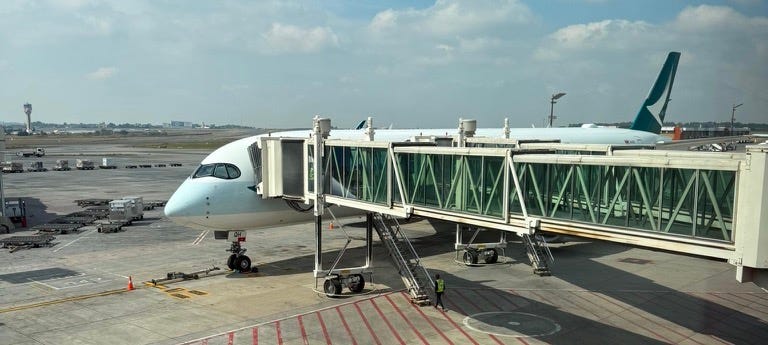
But closer to home, an airline did the unthinkable. While airlines across the world continued to raise prices, Cathay Pacific announced that they were lowering the fuel surcharge. Not by much, but enough to give passengers a bit of a breather. With Cathay Pacific only just coming out of the red, I am surprised by such a move, but in an industry where everyone is raising prices, such a move is a breath of fresh air. Not only that, Cathay Pacific has been rather upfront that they would review the fuel surcharge situation every two weeks, allowing passengers to even plan whether they should buy a ticket or wait for a lower fuel surcharge.
I myself have been the unfortunate victim of Cathay lowering prices after I bought a ticket. I swiftly cancelled my ticket and bought a new one at a higher fare class but lower cash price. As the drop in fuel surcharges is minimal, I doubt passengers would cancel their tickets to buy new tickets at the lower surcharge. The lower surcharge is also only available for tickets originating in Hong Kong, which already carry one of the highest price tags for cancellation fees.
But where this move really stands out as a diamond against a black sky, is that airlines are actually capable of lowering prices. It’s only a matter of whether they want to.
Unlike my previous experience where my ticket price went down almost unnoticed, Cathay decided to go public with such information, playing the transparency card. Maybe they’re doing it for marketing, maybe they’re playing it safe in case they need to raise fuel charges again in the future, but I do hope that this tiny gesture can send a big message to airlines: we know you can drop prices.