


I remember when I was doing my MBA, my professor asked me why I was so interested in aviation. I told him that, among other things, I was fascinated by aircraft liveries.
He scoffed. “Who cares about a livery? Will you actually choose an airline based on what it looks like?”
His question has always boggled me. It might sound like something trivial to an academic, but in the aviation world, airline liveries hold a special place. And as it turns out, they hold a special place in the real world, too.
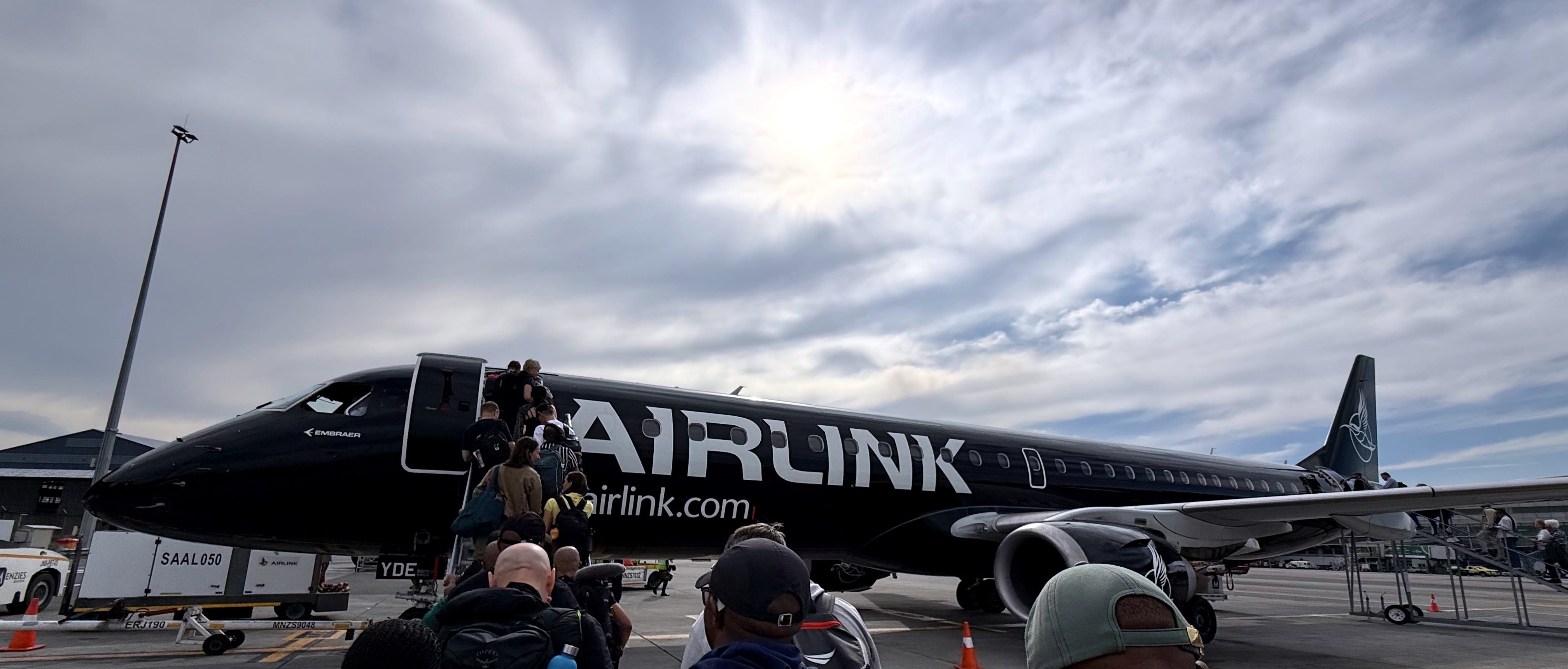
Recently, I took a flight on Airlink. I was lucky enough to have the all-black “Skybucks” special livery on the Embraer E195 operating my flight. That black fuselage stood out dramatically on an apron full of standard white aircraft. I was even luckier to have a bus gate for my flight. As we stepped off the bus, I noticed something: even the non-AvGeeks (i.e., normal people) were stopping to take non-stop photos of our special-liveried jet.
While I agree with my college professor that a fresh coat of paint may not immediately deposit money into an airline’s bank account, it is undoubtedly a core marketing asset. It leaves a lasting impact on anyone who comes into contact with it.
Take my four-year-old daughter, for example. She may not know which specific airline she flew with last month, but she remembers the “green aeroplane” and the “red aeroplane.” She also knows that next time, we might be able to take the “blue aeroplane.” Now, just imagine her sheer excitement as a massive Hello Kitty fan when she saw the famous EVA Air Hello Kitty-themed jet taxi across the airport. She is already associating colors and characters with airplanes. When she gets older, she will associate those feelings with specific airlines.
It’s no wonder that airlines leverage the power of special liveries as a marketing tool. For Cathay Pacific‘s 80th anniversary this year, they painted two aircraft in historical retro liveries. They’ve actively encouraged the public to take photos and post them online with the hashtag #80yearstogether. The strategy is working. Even my non-AvGeek friends have pointed out to me that Cathay Pacific has something special in the skies this year. It is absolute, unfiltered free marketing and brand awareness.
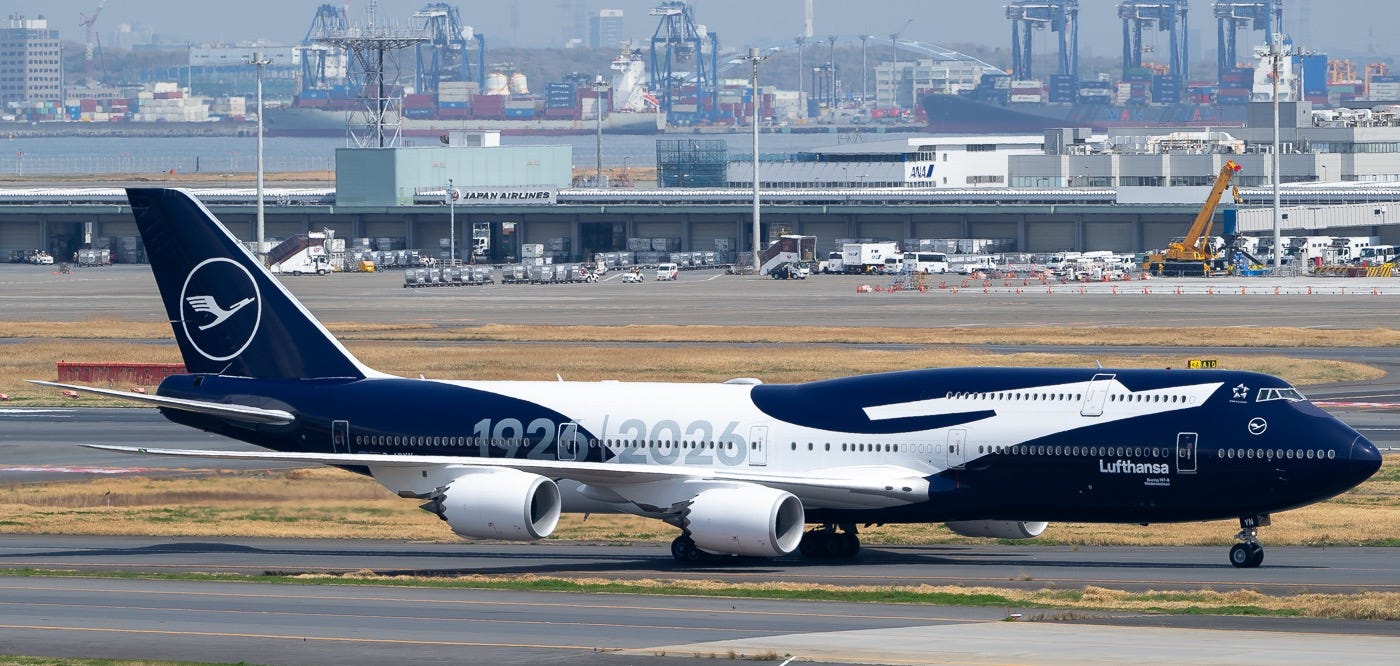
Special liveries have taken the forefront in the industry this year, with major airlines launching designs to please both AvGeeks and everyday passengers alike. With Lufthansa’s centenary this year, many think their special 100-year livery is possibly the most beautiful paint job ever to adorn a Boeing 787. So much so, that Lufthansa decided to replicate the livery on other aircraft types to celebrate the milestone. Meanwhile, the new Taiwanese luxury carrier Starlux just collaborated with Japanese artist Hajime Sorayama to launch striking gold and silver “AIRSORAYAMA” liveries that have just left the paint shop and will enter service soon.
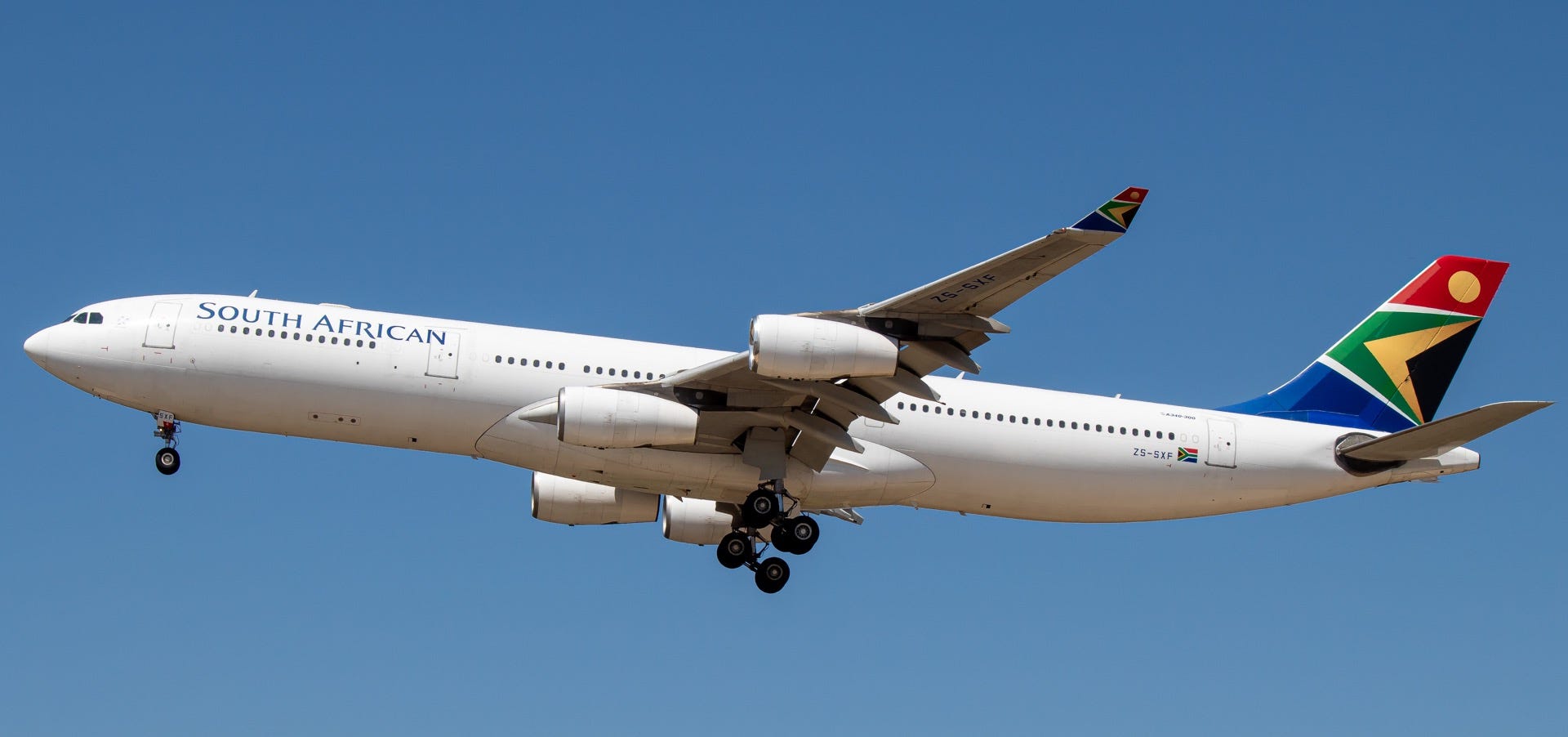
But liveries also hold a special place for traditional legacy carriers, bringing a sense of national pride for the countries they represent. These aircraft are often draped in national colors and symbols that evoke a deep emotional response from citizens around the world. While I’ve been away from South Africa for a while, I still treat South African Airways as my home airline, despite all the troubles they’re going through right now. They still have one of my favorite Euro-white liveries, and I remember the distinct sense of national pride that bubbled up whenever I saw them flying overhead while landing in Hong Kong.
When these iconic liveries are replaced or altered, a similar sense of disbelief and disappointment often surfaces. When we returned to Taiwan for the first time in seven years, my mom noticed that China Airlines had replaced the flag on their tail with a plum blossom. While she is no artist, her disgust for the new logo was palpable.
Similarly, while the blue and white of Lufthansa’s centenary livery drew widespread praise, the same couldn’t be said when they replaced their classic yellow crane circle with the navy-and-white design found on their standard livery today. That classic yellow disc had been associated with Lufthansa for decades, and removing it in 2018 simply didn’t sit right with many who shared an emotional bond with the airline.
Air India experienced something similar in 1990 when their CEO decided to remove the traditional “Flying Palace” painted windows for something a bit more “modern.” A public outcry and boycott followed, and the airline swiftly brought back the signature windows. Unfortunately, this didn’t fully carry through during their 2024 rebrand and merger with Vistara, though there is still a subtle nod to the arched windows in their new design.
So, to finally answer my professor from back in the day: No, a livery does not directly print cash for an airline. But it isthe face of the airline, and many of us form a genuine emotional bond with it. It doesn’t just represent a corporation; it represents the people who have a connection to it.
Special liveries create a unique opportunity to generate brand awareness (take that, marketing professor) that resonates with AvGeeks, expats, grandmothers, and toddlers alike. So, while it may not be the most important bullet point on an executive’s agenda, I will always prefer an apron full of good liveries over a sea of pure white aircraft.